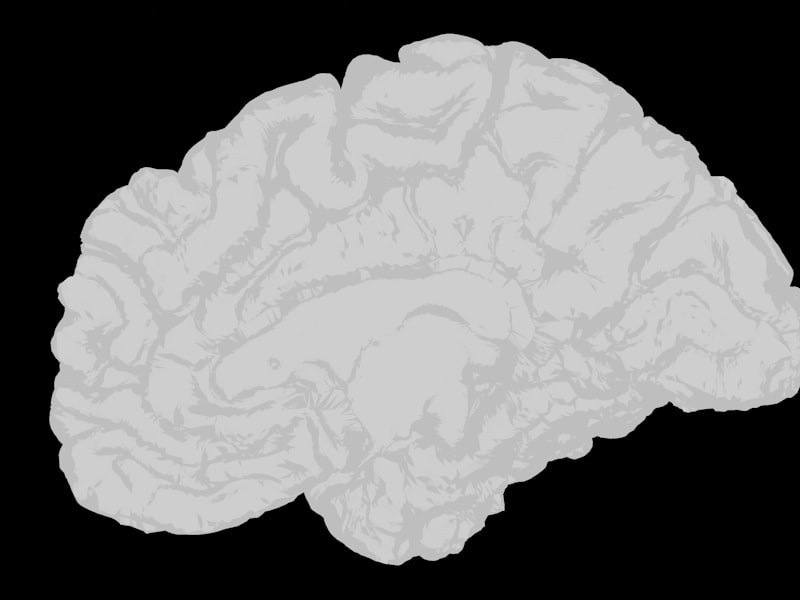
Deep Work and Exercise: How Physical Movement Upgrades Your Cognitive Performance

Deep Work and Exercise: How Physical Movement Upgrades Your Cognitive Performance
Why Knowledge Workers Can’t Afford to Skip Movement
We tend to treat cognitive performance as a purely mental matter—improved through better thinking strategies, superior organization, or stronger willpower. What we underestimate is how profoundly cognitive capacity is a physical matter, built and maintained by what we do with our bodies.
Exercise isn’t a side benefit to health that happens to also help thinking a little. It’s a primary driver of the neurological conditions that make deep, sustained cognitive work possible.
The research is unambiguous: physically active people show better attention, stronger working memory, faster processing speed, greater cognitive flexibility, and more creative problem-solving than sedentary people—not as a small rounding error, but as significant, measurable differences. For knowledge workers who have accepted sedentary routines as the price of intellectual work, this represents an enormous, unrealized performance gain available at the cost of roughly an hour per day.
“Exercise is the single best thing you can do for your brain in terms of mood, memory, and learning.” — John Ratey, Spark: The Revolutionary New Science of Exercise and the Brain
TL;DR: Consistent aerobic exercise raises baseline BDNF levels by 20–30% after 12 weeks and increases hippocampal volume by approximately 2%—reversing 1–2 years of age-related brain decline (Erickson et al., PNAS, 2011). Scheduling exercise before your most demanding deep work sessions uses the 1–3 hour post-exercise cognitive window to its maximum effect.
The Neuroscience: What Exercise Does to the Focused Brain
The exercise-cognition connection isn’t just about feeling good. It operates through specific, well-documented neurobiological mechanisms that directly target the brain regions that deep work requires. Understanding these mechanisms helps you design an exercise protocol that’s optimized for cognitive output, not just general fitness.
BDNF: Fertilizer for the Brain
Brain-Derived Neurotrophic Factor (BDNF) is a protein that promotes the growth and maintenance of neurons and synapses. John Ratey famously called it “Miracle-Gro for the brain”—and it’s produced in abundance during and after aerobic exercise. Moderate-intensity aerobic exercise at 60–70% of maximum heart rate for 30–40 minutes, three to four times per week, optimally stimulates BDNF and hippocampal neurogenesis (Frontiers in Neurology, 2024).
BDNF specifically targets the hippocampus (critical for learning and memory consolidation) and the prefrontal cortex (the seat of executive function and sustained attention). Higher BDNF levels are associated with:
- Improved learning rate (new information is acquired and consolidated faster)
- Stronger working memory (the mental workspace that holds and manipulates information during deep work)
- Greater cognitive flexibility (ability to switch approaches when the current strategy isn’t working)
- Better mood and reduced anxiety (which removes emotional barriers to deep engagement)
A single aerobic session increases circulating BDNF for several hours. Consistent exercise produces structural brain changes—increased hippocampal volume, denser prefrontal cortex—that represent durable enhancements to cognitive capability.
Citation: A landmark study by Erickson and colleagues found that a 12-month aerobic walking program (3 days/week) increased hippocampal volume by 2.12% in the left hemisphere and 1.97% in the right—effectively reversing 1–2 years of age-related volume loss. Increased BDNF serum levels mediated these gains. The control group, which did stretching only, showed a 1.4% decrease in hippocampal volume. (Erickson et al., PNAS, 2011)
Prefrontal Cortex Upregulation
The prefrontal cortex—chronically underactivated by sedentary, distraction-prone environments—is one of the primary beneficiaries of aerobic exercise. Regular exercisers show greater prefrontal cortex blood flow, more efficient neural activation patterns during executive tasks, and better performance on tests of working memory, inhibitory control, and cognitive flexibility.
These are precisely the executive functions that distinguish deep work from shallow work. If your goal is maximizing deep work capacity, prefrontal cortex health is the primary target—and exercise is one of the most direct routes to improving it. What’s the last time you treated your workout as a brain investment rather than a body obligation?
Catecholamine Cascade
Aerobic exercise triggers the release of dopamine, norepinephrine, and serotonin—the same neurotransmitters that attention-enhancing medications like Adderall target. This natural catecholamine cascade:
- Increases alertness and attentional control (dopamine + norepinephrine)
- Reduces rumination and background anxiety (serotonin)
- Enhances motivation and reward sensitivity (dopamine)
- Improves mood and emotional regulation (all three)
The post-exercise cognitive window—typically 1–3 hours after completion—represents some of the most cognitively capable time available in a knowledge worker’s day. Many serious practitioners of deep work have discovered this independently and schedule their most demanding work to follow their exercise sessions.
Inflammation and Stress Hormone Reduction
Chronic psychological stress and systemic inflammation are two of the most common cognitive performance saboteurs in knowledge workers. Exercise addresses both: regular exercise trains the cortisol response, reducing the baseline stress response and accelerating recovery from acute stressors; and the anti-inflammatory effects of regular aerobic exercise are well-documented, with lower systemic inflammation associated with better mood, sharper cognition, and improved neuroplasticity.
We’ve found that knowledge workers who add regular exercise often report improvements in their deep work capacity within 2–3 weeks—before the longer-term structural brain changes have had time to consolidate. Much of this early gain comes from improved mood, reduced resting anxiety, and better sleep quality, all of which lower the activation energy required to enter focused states.
Designing Your Exercise Protocol for Deep Work
The Post-Exercise Cognitive Window
The most practically important insight from exercise neuroscience for deep workers: schedule your most demanding cognitive work in the 1–3 hour window following aerobic exercise. During this window, BDNF levels are elevated, catecholamine activity is high, and the brain is in an unusually plastic and alert state.
This connects naturally to energy management for deep work—combining your peak biological performance window with the post-exercise boost produces the most productive sessions of the day.
Two primary implementation patterns:
Pattern 1: Morning exercise → Deep work Vigorous exercise first thing in the morning (45–60 minutes), followed by a brief recovery (shower, breakfast), then the primary deep work session. Advantages: sets a focused, energized tone for the entire day; the post-exercise window aligns with the morning’s natural cortisol peak.
Pattern 2: Deep work → Exercise → Second deep work block A first deep work session (60–90 min), then an exercise break (run, workout, or vigorous walk), then a second deep work session using the post-exercise window. Advantages: useful for people whose mornings are constrained; the midday exercise serves as both a cognitive reset and a performance enhancer for the afternoon session.
Exercise Type and Cognitive Effects
Not all exercise produces equal cognitive benefits. Here’s the research hierarchy:
Highest cognitive benefit: Aerobic exercise (moderate to vigorous intensity) Running, cycling, swimming, rowing, or any activity that elevates heart rate to 65–80% of maximum for 30–60 minutes. This produces the strongest BDNF response, the most significant catecholamine release, and the most pronounced post-exercise cognitive enhancement.
Significant cognitive benefit: High-intensity interval training (HIIT) Alternating periods of vigorous effort with recovery. HIIT produces acute BDNF and catecholamine responses comparable to sustained aerobic exercise and requires less time (20–30 minutes). The post-exercise cognitive window appears to be similarly valuable.
Meaningful cognitive benefit: Strength training Resistance training (2–3 sessions per week) produces meaningful but more modest cognitive benefits than aerobic exercise, primarily through BDNF production and improvement of metabolic health markers. Best used as a complement to aerobic exercise rather than a replacement.
Moderate cognitive benefit: Low-intensity movement (walking) A 20–30 minute brisk walk isn’t the same as a vigorous aerobic session—but it’s dramatically better than sitting still. Walking increases cerebral blood flow, reduces cortisol, and improves creative problem-solving. A Stanford study by Oppezzo and Schwartz found that walking increased creative output (on divergent thinking tests) for 81% of participants compared to sitting (Oppezzo & Schwartz, Journal of Experimental Psychology, 2014).
Frequency and Duration Recommendations
For cognitive performance optimization:
| Goal | Minimum | Optimal |
|---|---|---|
| Acute post-exercise window | 20–30 min aerobic, same day | 45–60 min aerobic, pre-session |
| Working memory improvement | 3x/week aerobic | 5x/week aerobic |
| Long-term brain health | 150 min/week moderate aerobic | 200–300 min/week mixed intensity |
| Stress + cortisol regulation | 3x/week any exercise | Daily movement, 2–3 vigorous sessions/week |
Walking as a Deep Work Tool
Walking deserves special attention as a cognitive performance tool beyond its exercise benefits.
Thinking Walks
Many of the most intellectually productive people in history—Darwin, Einstein, Beethoven, Dickens—were famous for taking long walks as part of their work process. This wasn’t incidental. Walking activates the default mode network—the brain’s associative, creative mode that supports synthesis and unconscious problem-solving. Problems that refuse to yield to direct focused attention often solve themselves during a walk.
The Stanford walking creativity study confirms this: walking—indoors or outdoors—consistently boosts divergent thinking output compared to sitting. The mechanism is the movement, not the environment (Oppezzo & Schwartz, 2014).
The thinking walk protocol:
- Load a single, specific, difficult question you’re working on
- Walk for 20–40 minutes without music, podcasts, or phone
- Let the mind move through the problem without forcing it
- Bring a voice recorder or phone for notes when insights surface
Many serious deep workers use this as a “problem preloading” practice before difficult sessions, or as a recovery protocol between sessions when progress has stalled.
Walking Meetings
Some conversations—brainstorming, catch-ups, simple decisions—don’t require everyone to be at a screen. Walking meetings provide exercise, improve mood for both participants, and often produce more creative and candid conversation than face-to-face desk meetings. Not all meetings benefit from this format (presentations, complex negotiations, or sessions requiring reference materials don’t work well). For the right conversations, walking meetings are a simple way to embed beneficial movement into an otherwise sedentary workday.
Non-Exercise Movement: Breaking the Sedentary Pattern
Even with regular vigorous exercise, extended sedentary periods (4+ hours of continuous sitting) produce measurable metabolic and cognitive impairment. The research on “active couch potato” syndrome shows that exercise-active but otherwise sedentary individuals have worse health outcomes than less active people who move more throughout the day.
Practical strategies for breaking sedentary patterns:
- Standing desk periods: Alternating 30–60 minutes standing with sitting maintains metabolic activity without the fatigue of all-day standing
- The Pomodoro movement break: Use your 5-minute breaks between focus intervals to walk to the kitchen, do a set of bodyweight exercises, or simply stand and stretch
- Movement triggers: Pair specific daily activities (phone calls, reviewing email, coffee) with standing or walking whenever possible
- Time-based reminders: A reminder every 60–90 minutes to stand and move for 2–3 minutes interrupts sedentary patterns meaningfully
The role of rest in deep work is well-established—movement breaks are an active form of that rest, not a detour from productivity.
The Recovery Dimension: Exercise and Deep Work Sustainability
Deep work is cognitively demanding, and the brain—like muscles after heavy lifting—needs recovery time to consolidate and rebuild. Exercise plays a direct role in this recovery process.
Aerobic exercise accelerates the clearance of cortisol and stress hormones after demanding cognitive work, improves sleep quality (the primary mechanism of cognitive recovery), and supports the mood maintenance that makes sustained deep work practices sustainable over months and years.
Strength training builds structural resilience and reduces the cumulative physical toll of sedentary knowledge work—posture issues, shoulder tension, back pain—all of which create cognitive overhead. It also provides a psychological counterbalance to the intangible rewards of knowledge work through the concrete, visible progress of physical strength.
Citation: A 2025 review in ScienceDirect synthesized evidence on exercise, BDNF, and neuroplasticity, confirming that regular aerobic exercise enhances baseline BDNF levels by 20–30% after 12 weeks, with the strongest effects at moderate intensity (60–70% max heart rate, 30–40 min sessions). These elevated BDNF levels directly support the hippocampal neurogenesis and prefrontal cortex function central to working memory and sustained attention. (ScienceDirect, 2025)
Starting Where You Are
For knowledge workers who have been largely sedentary, the most important principle is starting with what you’ll actually do, not the optimal protocol.
Minimum effective dose:
- 20–30 minute brisk walk, 5 days per week
- This alone produces meaningful cognitive benefits within 2–3 weeks
The next increment:
- Add 2–3 vigorous aerobic sessions per week (running, cycling, HIIT, or similar)
- Schedule them before your most important deep work sessions
- The cognitive performance improvement will provide its own motivation to maintain the habit
The barrier to starting is lower than most people think. The benefits arrive faster than most people expect. The compounding effect—exercise improving cognitive performance, which improves work quality, which reinforces the habit—is one of the most powerful positive feedback loops available in a knowledge worker’s life. It connects directly to building a deep work habit that sustains itself over time.
FAQ
Q: When is the best time to exercise for deep work performance?
The research points to morning exercise followed immediately by your deep work session as the highest-value pattern for most people. The 1–3 hour post-exercise cognitive window—elevated BDNF, high catecholamine activity, improved mood—lines up with the morning cortisol peak that most chronotypes experience. If mornings aren’t possible, a midday session before an afternoon deep work block produces similar benefits.
Q: How much exercise do I need to see cognitive benefits?
Meaningful cognitive benefits appear within 2–3 weeks of regular exercise. The minimum effective dose is approximately 150 minutes of moderate aerobic activity per week—three 50-minute sessions or five 30-minute sessions. Erickson et al.’s landmark study used three 40-minute walking sessions per week and produced measurable hippocampal volume increases after 12 months.
Q: Does the type of exercise matter for brain performance?
Yes, significantly. Aerobic exercise (running, cycling, swimming) produces the strongest BDNF response and post-exercise cognitive enhancement. HIIT provides similar acute effects in less time. Strength training produces meaningful but more modest cognitive gains. Walking produces moderate benefits plus a specific boost to divergent creative thinking. The most effective protocol combines aerobic exercise with regular walking.
Q: Can exercise help with procrastination and motivation for deep work?
Yes—through multiple mechanisms. Exercise raises dopamine and norepinephrine levels, directly improving motivation and reward sensitivity. It reduces the background anxiety that often drives procrastination and avoidance. And the mood improvement following exercise lowers the activation energy required to start a demanding task. Many practitioners use a brief workout as a reliable pre-session ritual to overcome reluctance.
Q: Is it true that walking boosts creativity more than sitting?
Yes, with nuance. A 2014 Stanford study by Oppezzo and Schwartz found walking increased divergent creative thinking (generating multiple solutions to open-ended problems) for 81–100% of participants compared to sitting. The effect held whether walking indoors or outdoors. However, convergent thinking (finding a single correct solution) didn’t improve. Walking is particularly valuable for brainstorming and problem-exploration phases of deep work, less so for execution phases.
Erik McCord writes about the science and practice of peak cognitive performance at DeepWork.in.